
The Role of Luck in Casino Games
Luck is often depicted as a capricious force that can dramatically alter outcomes in casino games, turning a mundane night into an exhilarating experience. In games such as slots, roulette, and craps, the element of chance predominates, leaving minimal space for skill or strategic planning. Unlike games like poker, where players can influence their odds through tactics and decision-making, many casino games rely on random number generators and inherent probabilities, making luck the key player in determining outcomes, especially when it comes to neosurf deposit casino options that can enhance the thrill.
This randomness is a defining feature of many casino games, meaning that even the most experienced gamblers can face extended losing streaks, while novices can strike it rich on their initial attempt. For example, consider a player who approaches a slot machine for the first time; they may simply press a button and suddenly find themselves with a significant payout. This unpredictability underscores the idea that luck frequently outweighs skill in the casino environment, fostering an exhilarating atmosphere that keeps players engaged and hopeful.
Moreover, the thrill associated with gambling often stems from the unpredictable nature of luck. Players flock to casinos, drawn by the prospect of fortune or misfortune with each spin or roll. This element of surprise captivates many, encouraging them to return repeatedly in the hopes that luck will smile upon them when it matters most. The quest for a life-changing win makes luck an ever-present factor in the casino experience, enhancing the excitement and allure of gaming.
The Influence of Skill in Certain Games
While luck is a dominant factor in many casino games, some games do allow players to leverage skill to their advantage. Take poker, for instance, where players can employ various strategies to enhance their odds of winning. By understanding the probabilities, bluffing effectively, and reading their opponents, skilled players can navigate the complexities of the game. However, even in poker, the randomness of card distribution means that luck remains a significant influence on the overall outcome.
In blackjack, players can utilize strategic methods such as card counting or knowing when to hit or stand. These tactics require a deep understanding of statistical probabilities and the ability to make informed decisions. Nonetheless, the reality of luck remains; an unfavorable card can derail even the most meticulously planned strategies. This highlights the duality present in casino play: while skill can indeed shape outcomes, the unpredictable nature of luck often reigns supreme, reminding players that control is limited.
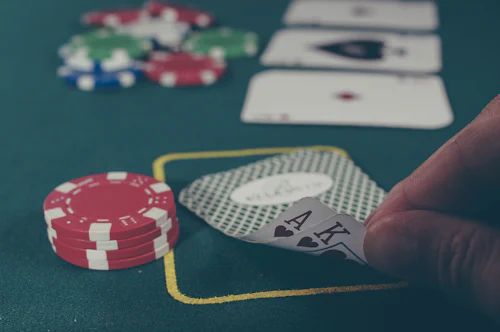
Ultimately, the existence of skill in certain games does not diminish the overarching importance of luck. Players may invest significant time honing their abilities, but they must acknowledge that numerous external factors beyond their influence can dictate their success. Recognizing that luck and skill coexist is essential, yet it is often luck that ultimately determines the final outcome, reinforcing its status as a primary factor in casino play.
The Psychology of Gambling and Luck
The relationship between luck and psychology is critical in understanding how individuals engage with casino games. The excitement of potentially winning, often driven by the element of luck, creates a psychological high that entices players to return. Many gamblers subscribe to the belief in “hot streaks” or engage in rituals and superstitions, reflecting their desire to believe they can influence outcomes through personal luck.
This belief in luck can lead to a phenomenon known as the “gambler’s fallacy,” where individuals wrongly assume that past outcomes can dictate future results. For example, if a player observes a roulette wheel landing on red multiple times consecutively, they might mistakenly conclude that black is “due” to appear next. This misconception illustrates the pervasive influence of luck not only in the games themselves but also in the mindset of players, complicating the already intricate interplay between luck and skill.
Additionally, the psychology of hope related to luck fosters an environment where players may chase losses or adopt overly optimistic attitudes. The anticipation tied to the potential for significant wins can cloud rational thought, leading some players to make choices that deviate from sound gambling practices. This emotional aspect underscores that luck transcends mere game mechanics; it profoundly impacts player behavior and decision-making, shaping the overall gambling experience.
The Quest for Lifelong Strategies
In their pursuit of success in casinos, players often seek strategies that promise a competitive edge. However, due to the inherent randomness of many games, even the most complex strategies may ultimately fall short. Gamblers often develop systems based on perceived patterns they believe will enhance their winning chances. Yet, with every roll of the dice or spin of the wheel, luck remains the final arbiter of success or failure.

One popular strategy involves setting limits on wins and losses; while this approach may aid in managing finances, it does not alter the odds of the games themselves. Players might impose limits to prevent significant financial losses, but luck can still yield unexpected outcomes that render such strategies ineffective. This reality illustrates the transient nature of skill in gambling, highlighting the necessity for players to adapt continually to the overpowering force of luck.
Moreover, rather than solely fixating on strategies, many seasoned players advocate for cultivating a healthy relationship with luck. Acknowledging that luck is an unpredictable element allows players to enjoy their casino experiences without becoming overly reliant on skill, which can lead to disappointment. Embracing luck as a fundamental aspect of gaming fosters a more enriching and enjoyable gambling environment, allowing players to appreciate the journey rather than fixate solely on the outcome.
Your Guide to Casino Gaming
For anyone looking to explore the fascinating world of casinos, understanding the interplay between luck and skill is crucial. While some games may present opportunities for strategic involvement, it is essential to remember that most outcomes ultimately hinge on chance. Engaging with games that incorporate both elements can offer a richer experience, embracing the thrill that comes with uncertainty and the unpredictability of luck.
As you embark on your casino gaming journey, it is vital to approach it with a mindset of enjoyment and caution. Setting limits on time and spending ensures that the experience remains entertaining rather than stressful. By grasping the dynamics of luck and skill, you can navigate the casino landscape with confidence, embracing the adventure and excitement that await.
In summary, while skill may play a role in certain types of games, luck is the defining factor in the majority of casino play. Acknowledging this distinction enhances your gaming experience, allowing you to savor the exhilaration of gambling and the unpredictability that keeps players returning for more. Whether you are a casual participant or a dedicated enthusiast, embracing luck enriches your journey through the vibrant world of casinos.
